In a world of constant stimulation, processed foods, and environmental stress, your body is working overtime to maintain balance.1 Regardless of how well you sow into your daily wellness, we are all exposed to toxins, so we need to love ourselves enough to "empty our toxic cup" at least once a year.
One of the most powerful health strategies I use in my own life and clinic is also one of the simplest: aligning your body with the seasons.2 A seasonal cleanse is not about deprivation or extreme detoxification; it is about working with your biology, supporting your gut, and restoring the delicate balance between oxidative stress and antioxidant defence, often called redox balance.3
Key Takeaways
- Your body is naturally rhythmic and responds best when you live and eat in sync with the seasons, rather than in a constant, stressful "on" mode.
- A seasonal cleanse is not about extreme detoxes or juice-only diets; it is about supporting gut function, detox pathways, and redox balance in a sustainable way.
- Your gut, immune system, and nervous system are deeply connected, which is why stress, sugar cravings, bloating, and low mood often show up together.
- The Rejuv 7 Pillars approach looks beyond food alone to include sleep, movement, environment, supplementation, and mindfulness.
- Small, repeated seasonal resets can teach your body how to return to balance more easily, supporting long-term resilience and cellular health.
I love this time of year, as the seasons change. I do not believe in harsh crash diets and New Year's resolutions, and I actually live my life from April to April around the cleanse I do now; every year, it catapults me into the next 12 months. Regardless of whether you are heading into spring or autumn, this is a powerful time to prioritise your health and treat yourself to a cleanse.
Why Seasonal Cleansing Matters (More Than Ever)
Your body is not static; it is rhythmic.2
- Your hormones shift with light exposure, stress, and sleep.
- Your metabolism adapts to energy intake, activity, and seasons.
- Your gut microbiome changes with what you eat and how you live.
- Your immune system is always in flux, constantly surveying and adjusting.4
- In fact, all of your cells are constantly self-regulating, trying to maintain balance.
Research shows that the composition of your gut bacteria naturally changes throughout the year, depending on diet and environment. 5 This means your body expects variation, not the same foods, habits, and stressors 365 days a year.
But modern life often removes that variation:
- We eat the same foods year-round thanks to global imports.
- We experience chronic psychological and physiological stress.
- We are constantly exposed to environmental toxins and pollutants.6
Result? Accumulated metabolic and oxidative burden filling up your toxic cup.3
The Missing Link: Redox Balance
From my research into oxidative stress, one of the most important concepts is this: redox balance. In simple terms, it is the equilibrium between oxidative damage and your body's repair and defence systems.3
Health is not just about nutrients; it is about the balance between damage and repair.
Every day your body produces:
- Reactive oxygen species (ROS), which are highly reactive molecules.
- Inflammatory signals in response to stress, infection, and poor diet.
- Cellular stress from toxins, poor sleep, blood sugar swings, and emotional load.3
When these are not managed well, they can lead to:
- DNA damage and impaired cell function.
- Mitochondrial dysfunction, which affects energy production.
- Gut barrier breakdown, often called "leaky gut," can drive inflammation.
- Premature ageing and increased risk of chronic disease over time.37
The Gut Connection
Your gut is not just for digestion; it is a central hub for your immune system, mood, and metabolism.4
It is:
- Your largest immune organ, where the majority of immune cells live.
- A key regulator of inflammation throughout the body.
- A major contributor to redox balance through nutrient absorption and microbial metabolites.4
Research now shows that the gut microbiome actively produces antioxidant compounds that help regulate oxidative stress and influence systemic inflammation.8 This is one reason I focus so much on gut health whenever a client is dealing with fatigue, hormonal symptoms, mood changes, or stubborn weight.
What a Seasonal Cleanse Actually Does
A properly structured seasonal cleanse is not about "flushing toxins" dramatically. It is about reducing unnecessary load, supporting your natural detox pathways, and giving your microbiome and cells a better environment to function in.9
In my experience, a good seasonal cleanse works on three deeper levels:
1. Resetting the Gut Microbiome
Seasonal foods naturally:
- Increase fibre diversity, which supports a wider range of beneficial microbes.
- Feed beneficial bacteria that support digestion, mood, and immune health.
- Improve digestion and bowel regularity when introduced consistently.4,5
Eating with the seasons has been shown to increase microbial diversity and support digestion and immunity.5 In practice, this might look like more bitter greens in spring, hydrating fruits in summer, root vegetables in autumn, and warming soups in winter.
2. Reducing Oxidative Stress
Clinical research suggests that structured dietary programmes using whole foods and plant-based compounds can:
- Reduce markers of oxidative stress.
- Improve metabolic function, including insulin sensitivity.
- Support gut health and inflammatory balance.9,10
In real life, that might be as simple as a week or two of focusing on colourful vegetables, good-quality proteins, healthy fats, and reducing ultra-processed foods, alcohol, and excess sugar.
3. Supporting Detoxification Pathways
Your body detoxifies naturally through:
- The liver, where many toxins are processed and prepared for excretion.
- The gut, where bile, fibre, and microbes help bind and remove waste.
- Kidneys, which filter the blood and regulate fluid and mineral balance.
- Skin, which also participates in excretion through sweat.11
A seasonal cleanse enhances these pathways by:
- Reducing inflammatory load from food and lifestyle.
- Supporting nutrient availability (for example, B vitamins, antioxidants, amino acids).
- Improving elimination through regular bowel movements, urination, and sweating.11
The Rejuv Approach: The 7 Pillars Of Seasonal Cleansing
Unlike traditional "detoxes," at Rejuv, we look at the whole system rather than a single organ or quick fix. That is why our approach is built on 7 key pillars that work together.
Because true health is built across all 7 pillars, not just one.
1. Sleep
Deep, regular sleep allows cellular repair, hormone balance, and antioxidant regeneration.12 In my own life, I notice that when sleep slips, cravings, mood changes, and inflammation are usually not far behind.
2. Body Balance
Your muscles and bones need to be nourished and supported just as much as your gut. The more inflamed and toxic your system becomes, the more likely you are to experience aches, pains, stiffness, and slower recovery.7
3. Movement
Movement supports circulation, lymphatic drainage, detoxification, and metabolic flexibility.13 This does not need to be extreme; even a daily walk can help your body process Easter indulgences more efficiently.
4. Environment
Reducing toxin exposure lowers your oxidative burden over time. The average woman uses multiple personal care products daily, each containing several synthetic chemicals, and cumulative exposure can be significant.6 Environmental Working Group analyses suggest many personal care items contain ingredients linked with hormone disruption or carcinogenic potential, which is why I encourage small, sustainable swaps where possible.6
5. Nutrition
Seasonal whole foods provide:
- Polyphenols, plant compounds with antioxidant and anti-inflammatory properties.
- Prebiotic fibres that feed beneficial gut bacteria.
- Antioxidants that help buffer oxidative stress.10
Hydration is also key. You can mineralise your water by adding 1 teaspoon of Celtic sea salt to 2 litres of water, or try our Wellness and Detox Water recipes for extra support. For some clients, I also pair these simple shifts with a gentle adrenal support formula when stress is running high.
Cleansing should always support gut function to improve digestion and elimination.
- Add fibre-rich foods like chia seeds, flaxseeds, and vegetables to help with bowel movements.
- Include probiotic-rich foods like kefir, yoghurt, and kimchi to help restore and maintain gut flora balance.4
6. Supplementation
Targeted support can enhance your results by filling nutritional gaps and supporting key pathways, especially during a cleanse.
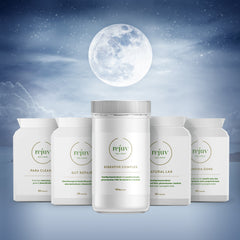
- Support gut function with a gentle antimicrobial and cleansing formula such as Para Cleanse, followed by a microbiome repair blend, such as Gut Microbiome Repair.
- Support liver detox pathways with a focused herbal and nutrient formula such as Liver Support.
- Support redox balance and cellular antioxidant defences with an antioxidant-rich blend like Acai Anti-Oxidant Complex.
Specific herbs and supplements can aid the body's detoxification processes. Depending on your goals, I often use a Gut Healing Pack for bloating, cravings and IBS-type symptoms, a Metabolic Reset Pack to support fat loss and blood sugar balance, and the Seasonal Cleanse Pack for a more complete seasonal reset.
7. Mindfulness
Mindfulness practices help regulate the nervous system and reduce inflammatory signalling by shifting you out of constant "fight or flight".15 This might be as simple as a few deep breaths before eating, a short journalling practice, or a quiet walk without your phone.
This is what makes a cleanse effective — not restriction, but alignment.
Seasonal Cleansing Through The Year
Each season calls for a slightly different emphasis, and this does not mean you need to do four full cleanses a year. I personally love a deeper reset in spring and autumn, but I also "sow into" summer with extra-nourishing colourful fruits and vegetables, and winter with more immune-supportive foods and routines.
Spring — Reset And Detox
- Bitter greens to support digestion and liver function.
- Liver support through herbs, foods, and gentle supplementation.
- Light, cleansing foods that reduce heaviness from winter eating.11
Summer — Hydrate And Repair
- Antioxidant-rich fruits and vegetables to buffer sun and activity stress.
- Hydration with mineral-rich water and hydrating foods.
- Cooling foods to support circulation and comfort in the heat.
Autumn — Rebuild And Nourish
- Root vegetables for grounding, slow-release energy.
- Gut repair foods, including soups, stews, and fermented foods.
- Immune support as you move toward colder, darker months.
Winter — Protect And Strengthen
- Warming foods like soups, stews, and spices that support circulation.
- Immune resilience via vitamin C-rich foods, zinc, and supportive herbs.
- Deep nourishment with healthy fats and protein to maintain energy.11
Your body is designed to cycle — not stay the same. When you honour those cycles, health changes feel more sustainable, not like another short-lived "programme".
What A Seasonal Cleanse Is Not
Let me be clear:
It is NOT:
- Juice-only diets that leave you starving and light-headed.
- Starvation, punishment, or extreme restriction.
- Quick fixes that ignore your nervous system, hormones, and real life.
In fact, extreme cleansing (like long juice-only approaches) can negatively affect the microbiome in the short term, so juice fasts need to be done mindfully and, ideally, with professional guidance and appropriate supplementation.16 Juicing can be an excellent tool, but, like all things, it needs to be done properly to avoid an inner healing crisis and unnecessary stress on your system.
A True Cleanse Is
- Nutrient-dense, focusing on what you add rather than only what you remove.
- Gut-supportive, protecting your microbiome and bowel function.
- Sustainable, so you can actually live your life while doing it.
- Structured enough to give you clarity, but flexible enough to be personalised.
The Real Benefit: Long-Term Health
A seasonal cleanse is not just about a temporary "reset"; it is about using a focused period to support deeper shifts.
- Resetting your biology toward better balance and resilience.
- Improving metabolic flexibility so your body can handle both feast and leaner times more gracefully.
- Reducing oxidative damage and inflammatory load.
- Supporting longevity by protecting your cells and systems over the long term.37
Most importantly, it teaches your body how to return to balance more naturally, so you rely less on all-or-nothing approaches and more on steady, seasonal rhythms.
Realign Your Rhythm
Your body is constantly adapting to what you eat, how you sleep, how you move, and how you manage stress.2 The problem is that modern life keeps pushing it out of rhythm — late nights, irregular meals, screens, chemicals, and chronic stress all add up.
A seasonal cleanse is your opportunity to:
- Realign with nature's rhythms, even in small ways.
- Support your gut so it can better support you.
- Restore redox balance by reducing oxidative stress and increasing antioxidant support.
- Build long-term resilience rather than chasing short-term perfection.38
Avoid The Detox Fads
The Rejuv approach is not about fads; we believe in supporting the body's natural ability to heal, repair, and thrive — season after season.9 If I am honest, this is still the part I have to work at too — saying no to the quick fixes and yes to the slower, steadier patterns that actually last.
Take The Next Step
If reading this has made you more aware of your own patterns — the cravings after Easter, the bloating, the afternoon slump, or the way stress keeps creeping in — that awareness is already a powerful first step. You do not need to fix everything at once; you simply need a clearer picture of what your body is asking for.
The Rejuv Wellness Profile is a gentle way to map your current health, stress, gut, and lifestyle patterns so we can better support you. If you would like that extra clarity, you can complete it here.
Think of it as a supportive check-in, not a test. Your body is already working hard for you; this is about giving it the help it needs, at the right time of year, in a way that feels kind and sustainable.
References
- Ceballos-Picot I, Witko-Sarsat V, Merad-Boudia M, et al. Glutathione antioxidant system as a marker of oxidative stress in chronic diseases. Free Radical Biology and Medicine. 1996;21(6):845-853. https://pubmed.ncbi.nlm.nih.gov/8902531/
- Roenneberg T, Merrow M. The circadian clock and human health. Current Biology. 2016;26(10):R432-R443. https://pubmed.ncbi.nlm.nih.gov/27218855/
- Ma Q. Role of nrf2 in oxidative stress and toxicity. Annual Review of Pharmacology and Toxicology. 2013;53:401-426. https://pubmed.ncbi.nlm.nih.gov/23294312/
- Belkaid Y, Harrison OJ. Homeostatic immunity and the microbiota. Immunity. 2017;46(4):562-576. https://pubmed.ncbi.nlm.nih.gov/28423337/
- Davenport ER, Mizrahi-Man O, Michelini K, Barreiro LB, Ober C, Gilad Y. Seasonal variation in human gut microbiome composition. PLoS One. 2014;9(3):e90731. https://pubmed.ncbi.nlm.nih.gov/24618913/
- Dodson RE, Nishioka M, Standley LJ, Perovich LJ, Brody JG, Rudel RA. Endocrine disruptors and asthma-associated chemicals in consumer products. Environmental Health Perspectives. 2012;120(7):935-943. https://pubmed.ncbi.nlm.nih.gov/22398195/
- López-Otín C, Blasco MA, Partridge L, Serrano M, Kroemer G. The hallmarks of aging. Cell. 2013;153(6):1194-1217. https://pubmed.ncbi.nlm.nih.gov/23746838/
- Jones RM, Mercante JW, Neish AS. Reactive oxygen production induced by the gut microbiota: pharmacotherapeutic implications. Current Medicinal Chemistry. 2012;19(10):1519-1529. https://pubmed.ncbi.nlm.nih.gov/22360484/
- Levine ME, Suarez JA, Brandhorst S, et al. Low protein intake is associated with a major reduction in IGF-1, cancer, and overall mortality in the 65 and younger but not older population. Cell Metabolism. 2014;19(3):407-417. https://pubmed.ncbi.nlm.nih.gov/24606898/
- Del Rio D, Rodriguez-Mateos A, Spencer JPE, Tognolini M, Borges G, Crozier A. Dietary (poly)phenolics in human health: structures, bioavailability, and evidence of protective effects against chronic diseases. Antioxidants & Redox Signaling. 2013;18(14):1818-1892. https://pubmed.ncbi.nlm.nih.gov/22229910/
- Nieboer E, Thomassen Y, Petersen R, et al. Metals and essential elements: status in human health and the environment. Environmental Geochemistry and Health. 1990;12(1-2):1-26. https://pubmed.ncbi.nlm.nih.gov/24202634/
- Walker MP. The role of sleep in cognition and emotion. Annals of the New York Academy of Sciences. 2009;1156:168-197. https://pubmed.ncbi.nlm.nih.gov/19338508/
- Booth FW, Roberts CK, Laye MJ. Lack of exercise is a major cause of chronic diseases. Comprehensive Physiology. 2012;2(2):1143-1211. https://pubmed.ncbi.nlm.nih.gov/23798298/
- Forman HJ, Zhang H, Rinna A. Glutathione: overview of its protective roles, measurement, and biosynthesis. Molecular Aspects of Medicine. 2009;30(1-2):1-12. https://pubmed.ncbi.nlm.nih.gov/18796312/
- Black DS, Slavich GM. Mindfulness meditation and the immune system: a systematic review of randomized controlled trials. Annals of the New York Academy of Sciences. 2016;1373(1):13-24. https://pubmed.ncbi.nlm.nih.gov/26799456/
- Gupta S, Allen-Vercoe E, Petrof EO. Fecal microbiota transplantation: in perspective. Therapeutic Advances in Gastroenterology. 2016;9(2):229-239. https://pubmed.ncbi.nlm.nih.gov/26839716/