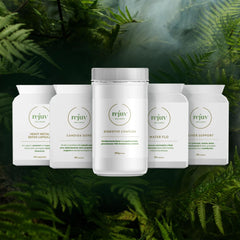
All of us have been exposed to heavy metals, literally from the womb, so it is wise to think about doing a heavy metal detox. Eleven signs indicate that you need a heavy metal detoxification.
What Are The Main Signs That You Need A Heavy Metal Detox?
- Chronic Fatigue: Persistent tiredness and lack of energy.
- Cognitive Difficulties: Memory problems, brain fog, difficulty concentrating, or other cognitive impairments.
- Digestive Issues: Nausea, abdominal pain, diarrhoea, or constipation.
- Muscle and Joint Pain: Unexplained muscle and joint aches, stiffness, or weakness.
- Headaches: Frequent or severe headaches.
- Mood Disorders: Anxiety, depression, irritability, or mood swings.
- Neurological Symptoms: Tingling, numbness, or tremors.
- Immune System Dysfunction: Frequent infections or a weakened immune response.
- Kidney and Liver Problems: Signs of impaired kidney or liver function, such as dark urine or jaundice.
- Metallic Taste: A persistent metallic taste in the mouth.
- Skin Issues: Rashes, itching, or other skin abnormalities.
Top 5 Sources of Heavy Metal Exposure
- Diet: Contaminated food and water, particularly fish, is high in mercury.
- Environment: Pollution, industrial waste, and contaminated soil.
- Household Items: Lead-based paints, old plumbing, and certain cosmetics.
- Occupational Hazards: Jobs involving metalworking, mining, or industrial processes.
- Medical Treatments: Dental amalgams (silver fillings), thimerosal vaccines, or certain medications.
One Heavy Metal On The Rise

The primary heavy metals we are exposed to include lead, mercury, cadmium, aluminium, and arsenic. However, nickel is one heavy metal that I am seeing on the rise, causing many issues, particularly skin issues.
Many of my clients are developing an intolerance to nickel, combined with many other heavy metals, resulting in contact dermatitis, itching, redness, hives, rash, and even acne-like symptoms.
Nickel can also cause hyperpigmentation due to increased melanin production in response to the inflammation and skin damage caused by the allergic reaction.
Like all heavy metals, we are exposed through the top 5 ways above, but nickel is high in many foods, so this is a great place to start.
Client Case Study: Nickel & Skin
I have a client who is struggling with her skin. She would get waves of hives and skin rashes, even on her face, and she was unable to pinpoint exactly what was causing this. So, like always, I looked upstream to support her detox pathways and lymphatic system.
Your skin is your biggest organ, so whatever your body can’t process, it will dump into the skin. Like all issues, it comes down to the fuel (your diet) and function of your systems to clear any imbalance and health issues.
Therefore, I helped her clean up her diet, reduce foods high in nickel, and detox correctly so she has long-lasting, great results and now lives with great skin.
We obviously tested for heavy metals and Nickel was flagged as being very high but many of these foods are really good for you, so I advise either get tested or eliminate these foods for only 30 days and gradually introduce them back in your diet one at a time to see how you feel.
What Foods Are High in Nickel?
- Legumes: Beans, chickpeas, soybeans, and peanuts.
- Grains: Oats, wheat, buckwheat, and bran.
- Nuts and Seeds: Sunflower seeds, almonds, and hazelnuts.
- Vegetables: Spinach, iceberg lettuce and kale.
- Cocoa and Chocolate: Chocolate and cocoa powder.
- Certain Fruits: Pineapples, raspberries, and pears.
- Shellfish: Especially oysters and mussels.
Detoxifying Nickel From The Body
If you suspect nickel toxicity or have a nickel allergy, consider the following steps to reduce and detoxify nickel from your body:
- Avoid High-Nickel Foods Limit your intake of foods known to be high in nickel.
- Drink 2-3L of Water Daily to help flush out toxins from your body, and add Celtic sea salt to ensure you hydrate at a cellular level, like our homemade wellness water.
- Vitamin C Intake Increase your vitamin C intake, which can help reduce nickel absorption in the gut. Citrus fruits, apples and strawberries are good sources, and you can fast-track with a Plant-Based Vitamin C Supplement.
- Chelating Agents Add in super greens to bind to the heavy metals so you can poop them out.
- Dietary Fibre: Increase your dietary fibre intake to aid in nickel excretion through the digestive system and add gut healing agents. It is hard to flush out nickel and heavy metals without the proper binders and gut support.
- Support Detox Pathways: Make sure your liver and lymphatic systems are working so you don’t mobilise heavy metals and reabsorb them if you are not functioning well.
- Avoid Nickel-Containing Products Limit exposure to nickel-containing jewellery, coins, and other everyday items.
My Heavy Metal Detox Pack
For peace of mind, I have created a Detox Pack with a complete wellness plan, diet and supplements to help you detox heavy metals, like nickel, thoroughly and effectively.
We can also help you get tested locally if you suspect heavy metal toxicity.
The Seven Pillars of Wellness
Everything we do at Rejuv Wellness revolves around the Seven Pillars of Wellness, which are crucial for a healthy immune system.
We recommend a regular review to remove your toxic load, rebuild your health, and restore your best health and wellness.
The Seven Pillars of Wellness is my framework for moving you into complete wellness and wellbeing.
We have created the free Rejuv Wellness Quiz to help you understand which three Wellness Pillars you need to strengthen for long-term wellbeing. We draw upon more than 20 years of research and experience to give you your recommended lifestyle and nutritional changes.
Invest 5 minutes in your health by completing your free Rejuv Wellness Quiz and get your one-page wellness profile. You will get an actionable summary with a wellness diagram identifying your health and the next best steps towards your optimal wellbeing.